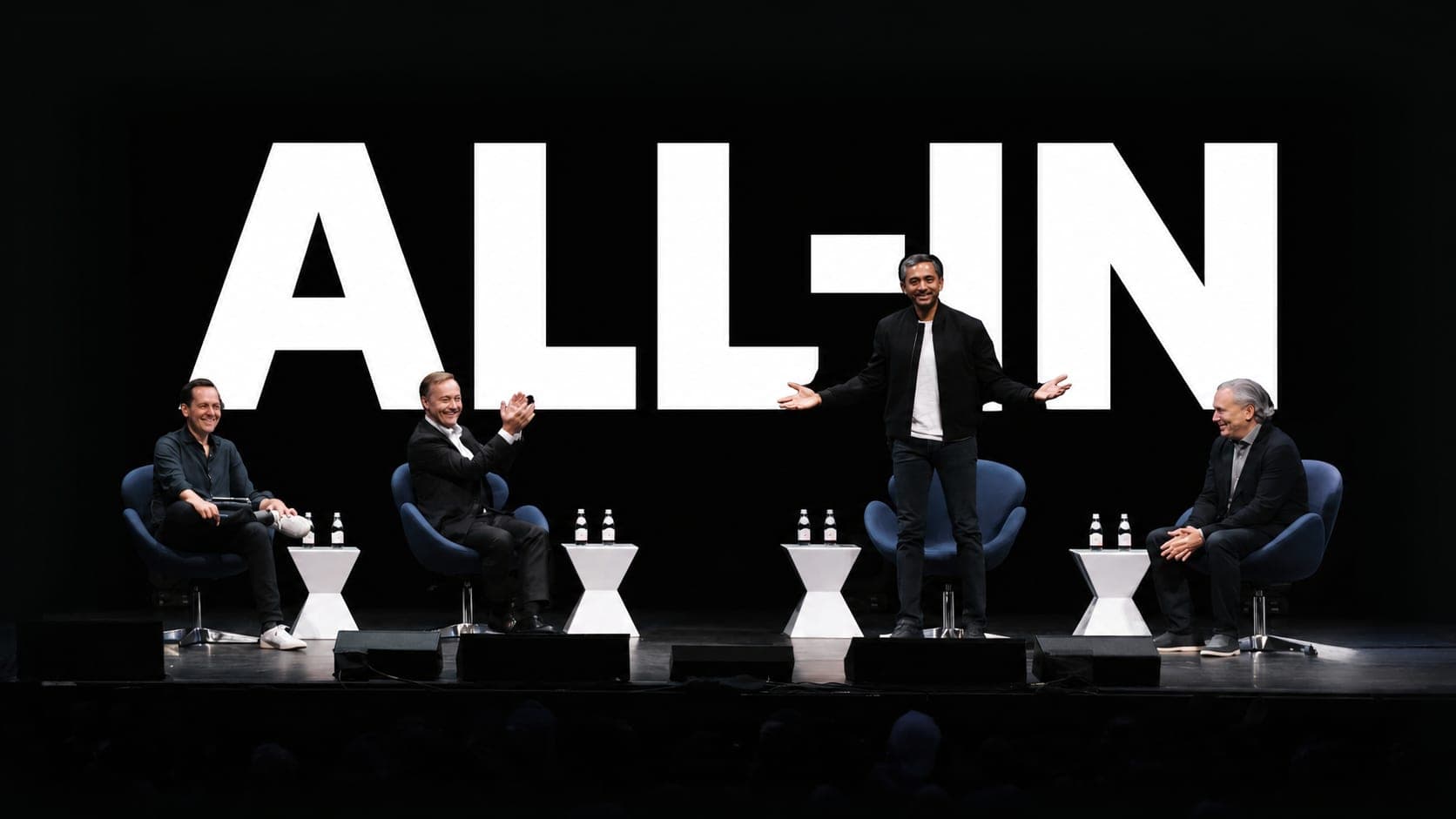
The brief: understand the show from the inside out.
All-In has built a highly engaged audience of founders, investors and business enthusiasts across YouTube, Spotify and Apple Podcasts. Among US fans of business and tech podcasts, about three in four had heard of the show and half listen at least occasionally. The team wanted to know what keeps that core coming back, and what it would take to bring in the rest.
Is the balance of depth and entertainment right, how do audiences see the hosts, and what is keeping new listeners away?
Those are the questions every growing show faces, and the All-In team wanted answers built on how people actually react to the show, minute by minute. So we tested one strong episode and one weak one, as judged by the show’s own data, to see whether audience reactions would match real-world performance before the method was trusted with episodes nobody had seen perform.
A loyal audience, and a much bigger one still on the outside.
Listeners were regular and occasional fans of the show: most mix watching and listening, and six in ten tune in every week. Non-listeners were business and tech podcast fans who are lapsed, aware but haven’t tried it, or have never heard of it. All 407 were US adults 25 to 64 who regularly watch or listen to podcasts and care about business or technology.
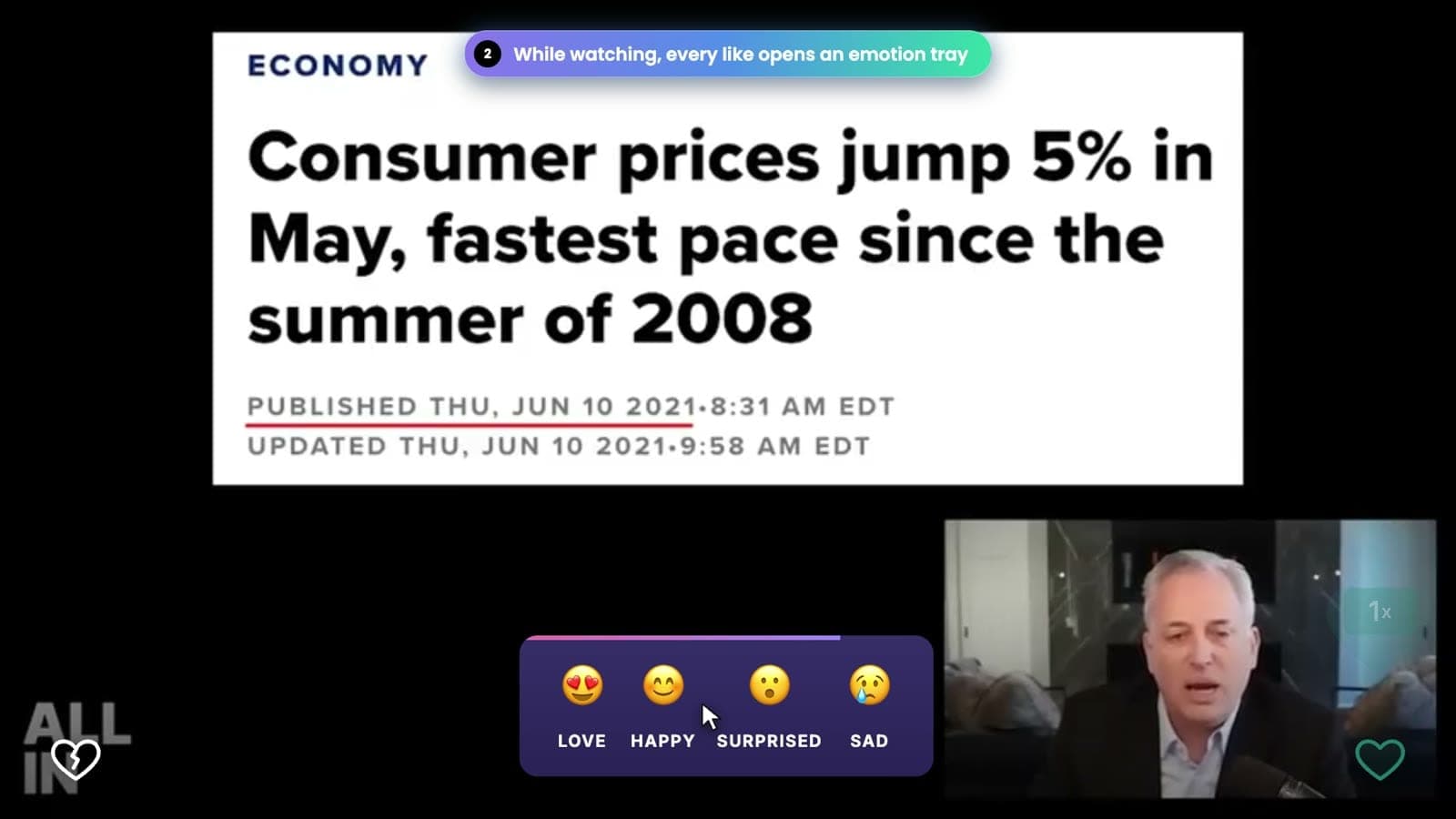
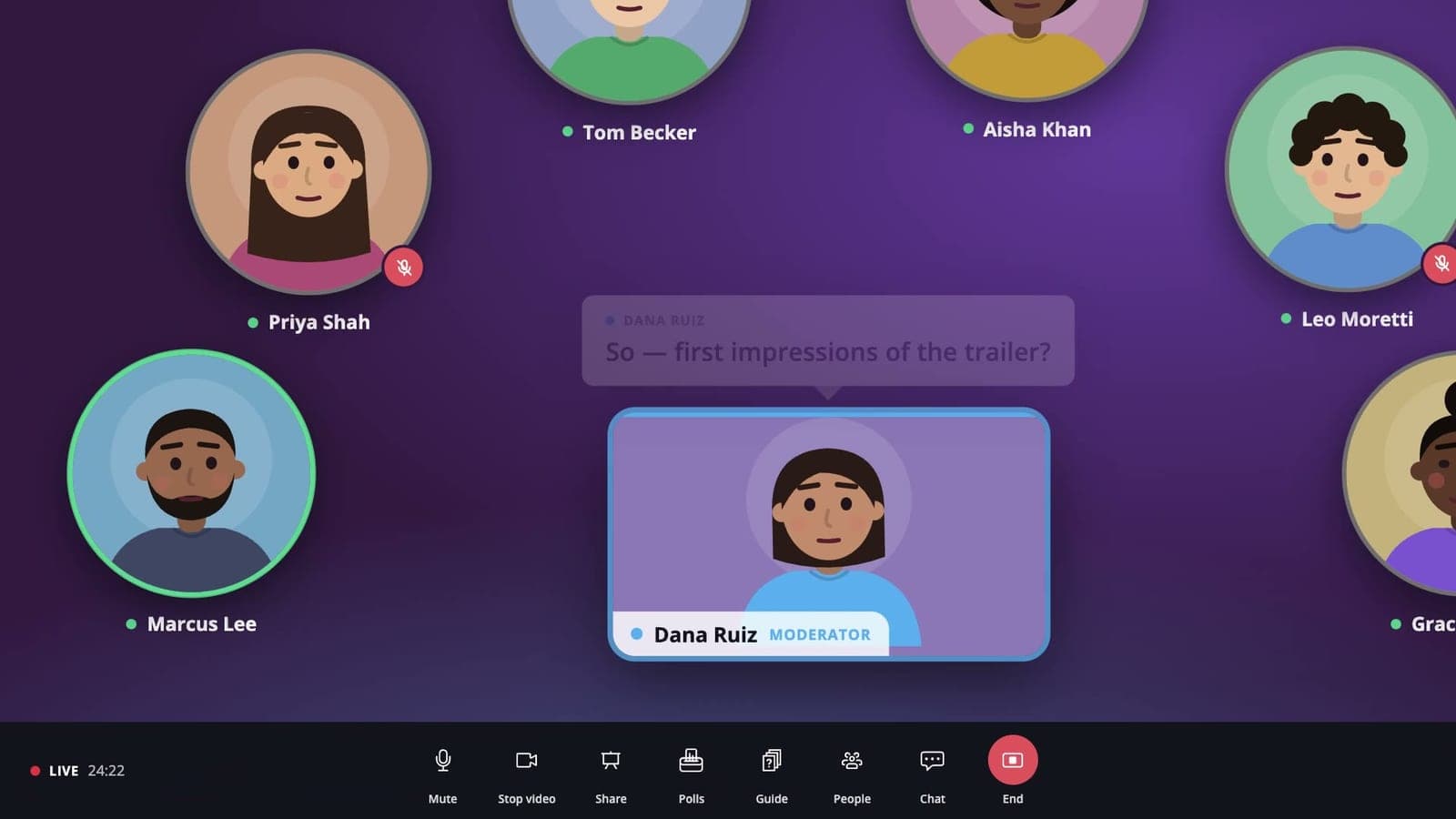
Before the episode, we measured podcast habits, interest by genre, awareness and ratings of the show and its competitors, and familiarity with the hosts. During it, each respondent watched one full episode, 241 or 248, reacting live on our Sentiment Dial with a tune-out button to mark the moment they would have stopped. After it, they rated the episode, the hosts, the topics and the show’s elements, told us about pace, intent to return and likelihood to recommend, and wrote what they liked and didn’t. Then four online focus groups on ReelChat, two with listeners and two with non-listeners, dug into Episode 248 and what each side wants from future episodes. About four weeks from kickoff to final report.
Quant to measure it, qual to explain it. The dial shows where attention rises and falls; the groups say why.
Five findings that shaped the roadmap.
The audience picked the hit, blind. Without knowing which was which, viewers ranked the strong episode well above the weak one, just as the show’s own numbers had. Episode 248 beat Episode 241 on every core measure and cleared Pilotly’s norm for “excellent” ratings. The gap was widest with women and non-listeners, the audiences the show most wants to grow.
39% rated the stronger episode excellent, against 30% for the weaker one and a norm of 37%.
The weak episode against the strong one
| Metric | episode 241 | episode 248 | Lift, points |
|---|---|---|---|
| Rated excellent | 30% | 39% | +9 |
| Excellent or very good | 64% | 73% | +9 |
| Would watch or listen again | 60% | 74% | +14 |
| Would recommend | 71% | 79% | +8 |
| Women: excellent or very good | 50% | 59% | +9 |
Four pillars hold the show up: topics everyone is talking about, unscripted conversation, insider insight, and the besties’ chemistry. Fans tune in to hear four highly successful operators break down the week’s biggest stories in a format that feels raw and unscripted. The knowledge the hosts bring is the single highest-rated part of the show.
“I like the raw, unfiltered conversation and the insider perspectives. I get valuable, unvarnished insight into technology, venture capital, and macroeconomics that I don’t find in traditional media.” Man, 40, listener
Debate lifts the dial, monologues drop it. The highest points on the Sentiment Dial came when hosts added nuance or pushed back: Friedberg answering critiques of the US-Intel deal, Chamath adding context on rising bankruptcies, and a three-way exchange on Polymarket. Engagement dropped when a single host held the floor or the conversation drifted off topic. Chamath was the top-rated host across both episodes for staying on point while adding insight.
“I loved how they disagreed, but were very respectful in their disagreement. They provided evidence to back up their claims.” Woman, 57, non-listener
How the two audiences heard the same episodes
| Metric | Listeners | Non-listeners |
|---|---|---|
| Said it moved too slowly | 18% | 37% |
| Described it as “boring” | 4% | 24% |
| Better than other business and tech podcasts | 90% | 50% |
The front door is the barrier. Newcomers liked what they heard but struggled to find a way in. The opening minutes drew the highest tune-out in both episodes: new viewers didn’t know who the hosts were or why to trust them, and the show jumped straight into the news. Non-listeners were twice as likely to say episodes moved too slowly, six times as likely to call the show boring, and some found the conversation hard to relate to.
“I didn’t know who they are. It felt like we jumped into the middle of the podcast, because it felt like we missed the first five minutes of something.” Man, 48, non-listener
What people say versus what they feel. Asked afterwards, viewers rated Episode 248’s billionaire tax segment the top topic of the episode: 73% excellent or very good. On the dial, that same opening segment drew the episode’s highest tune-out, especially among new listeners. A survey alone would have missed it. The dial showed the team that the topic works, but leading with it costs them newcomers.
“I would’ve stuck that in the last half of the show.” Man, 31, listener
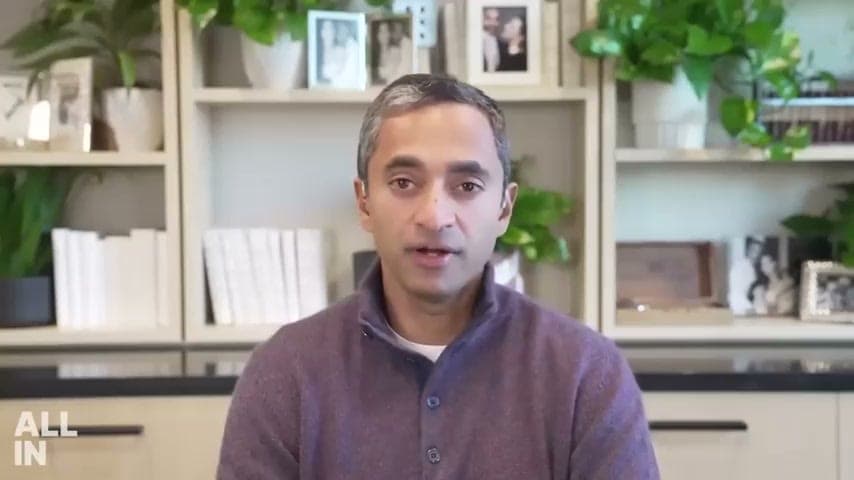
The roadmap: small format changes with a big payoff for growth.
Open with the hosts. Use the first minutes to introduce who the besties are and why they’re worth hearing.
The opening minutes drew the highest tune-out in both episodes.
Trim the topics, deepen the best ones. Fewer stories per episode, with more time to unpack the big ones like AI and the future of Tesla.
Try themed deep dives. Occasional single-topic episodes that go further with data and examples.
Cut the tangents, keep the banter. Banter is part of the brand. Long detours mid-topic are where attention drops.
Engagement fell whenever one voice ran long or the conversation drifted.
Stay aspirational and relatable. Ground money topics in what they mean for the wider economy and for listeners’ own lives.
Add a weekly takeaway. Many business podcast fans come for advice; a recurring tip or principle gives them something to act on.
Meet younger audiences where they are. More visuals, polls and interactive elements for 25 to 34s.
Younger viewers want more diverse voices and viewpoints at the table.
Reward the loyalists. Let fans be the “fifth bestie” with polls on what to cover next.
Guest wishlist: tech leaders, investors and CEOs.
The All-In team came away with a clear picture of the show’s core strengths and a practical roadmap for bringing new listeners through the door: a read the production now uses to keep the audience from plateauing and the topics accessible to the people still on the outside.